Submitted in January 2023 in fulfilment of the Dissertation requirements in Stage 3 for a degree in Bachelor of Architecture (Honours) at the University of Kent at Canterbury, School of Architecture and Planning.
Contrasting the community-based and contractor-based reconstruction approaches in post-tsunami Aceh, Indonesia. What considerations can be applied in recovery of future natural disasters?
Abstract
Reconstruction of communities and residential dwellings post-disaster is an issue likely to intensify given the increase in forecast climate change effects. To facilitate these projects, the humanitarian community has seen the emergence of two competing approaches to the recovery process: the community-based and the contractor-based. This dissertation assesses the advantages and limitations of the two methods on a variety of factors key to the ‘build back better’ principles in order to identify the approach most beneficial to the affected communities. It is Important to select the most appropriate approach based on the situation of individual communities to achieve optimal results, therefore this study takes a comprehensive assessment on a wider range of issues found during the literature review. The evidence indicates that the community-based approach performs higher in most areas, leading to better satisfaction ratings and planning proposals; however, it contains gaps of effectiveness which the contractor-based approach is able to fill. It is recommended that the two should not be viewed as rivals, but rather as options based on given circumstances.
1 | Introduction
Tsunami Timeline
At 08:45, on Sunday the 26th of December, 2004, an earthquake of magnitude 9.2 on the Richter scale caused a tectonic shift in the Indian Ocean, forming a tsunami epicentred 5 miles off the northern coast of Indonesian Sumatra. The wave first struck the province of Aceh, with wave fluctuations as tall as 30 meters sweeping away coastal villages and inland buildings (fig. 1). The capital of Aceh, the city of Banda Aceh, was left with only 40 percent of it’s buildings standing; some villages were destroyed completely. 163,000 people in Indonesia were dead or missing, with 500’000 more internally displaced. Women and children were disproportionately affected. It was estimated by NGO’s that 90,000 new residential units would need to be constructed to rehouse the victims. The “second tsunami” has since departed, leaving Aceh equipped with 140,000 new homes, 1,700 schools, and 3,700 kilometers of road, but with conflicting signs of sustained and contested recovery (Vale, Shamsuddin, 2014). The disparity between thriving and deteriorating communities is substantial.
The majority of sources indicate that the reconstruction cycle is organised into three distinct phases, each with different priorities, goals, and time frames. The emergency phase occurs directly following an event in which people are displaced. The structures are temporary (fig. 2), usually tents, and the focus is on the basic survival needs of the people: food, water, shelter, and trauma care. Depending on the scale of the event, this phase will can last from several weeks to months, and is an extensive logistical undertaking. Beyond improvements to supply chains and efficiencies this phase will be seldom affected by the architect or planning policy. It is followed by the transitional phase, in which structures are built of sturdier materials which imply longer term stability, giving residents the space to carry out livelihood activities, rather than just survival. This phase lasts for several months to years; buildings constructed in this phase will sometimes form the foundation for the next, upgraded at a later date (Koshimura, 2015). The culmination is the goal of the entire recovery process, the permanent phase – a return as near to pre-event conditions as possible, the “new normal”. The construction completed in this phase is what will be left behind by the NGO once they depart (fig. 3). There is an awareness of the fact that true ‘recovery’ is not possible, that a mark was left on the people and the landscape, but a new life is built regardless because it has to (Fitrianto, 2011).
It is in the transitional and permanent phases that we see an emergence of two distinct approaches, the community-based and the contractor-based. The community-based approach is focused on empowering the surviving population to reconstitute their lives through the guided reconstruction of their community and livelihood, under supervision of planners and architects. It focuses on building local capacity and resilience, strengthening the community, with ‘build back better’ as the core philosophy. The participatory approach is not a new concept, and its principles are often integrated into disaster management plans, including the BRR’s plan for the reconstruction of Aceh. However, despite its prevalence, it’s current rate of adoption is low (Fitrianto, 2011). The contractor-based approach is far less community oriented, utilising contracted builders rather than local actors as the labour force, and is focused on measurable outputs such as number of units or miles of road built. It is concerned with efficiency and speed, rather than on the individual needs of those it seeks to assist. It is vital to reconcile the difference between efficiency and effectiveness, which do not carry the same meaning.
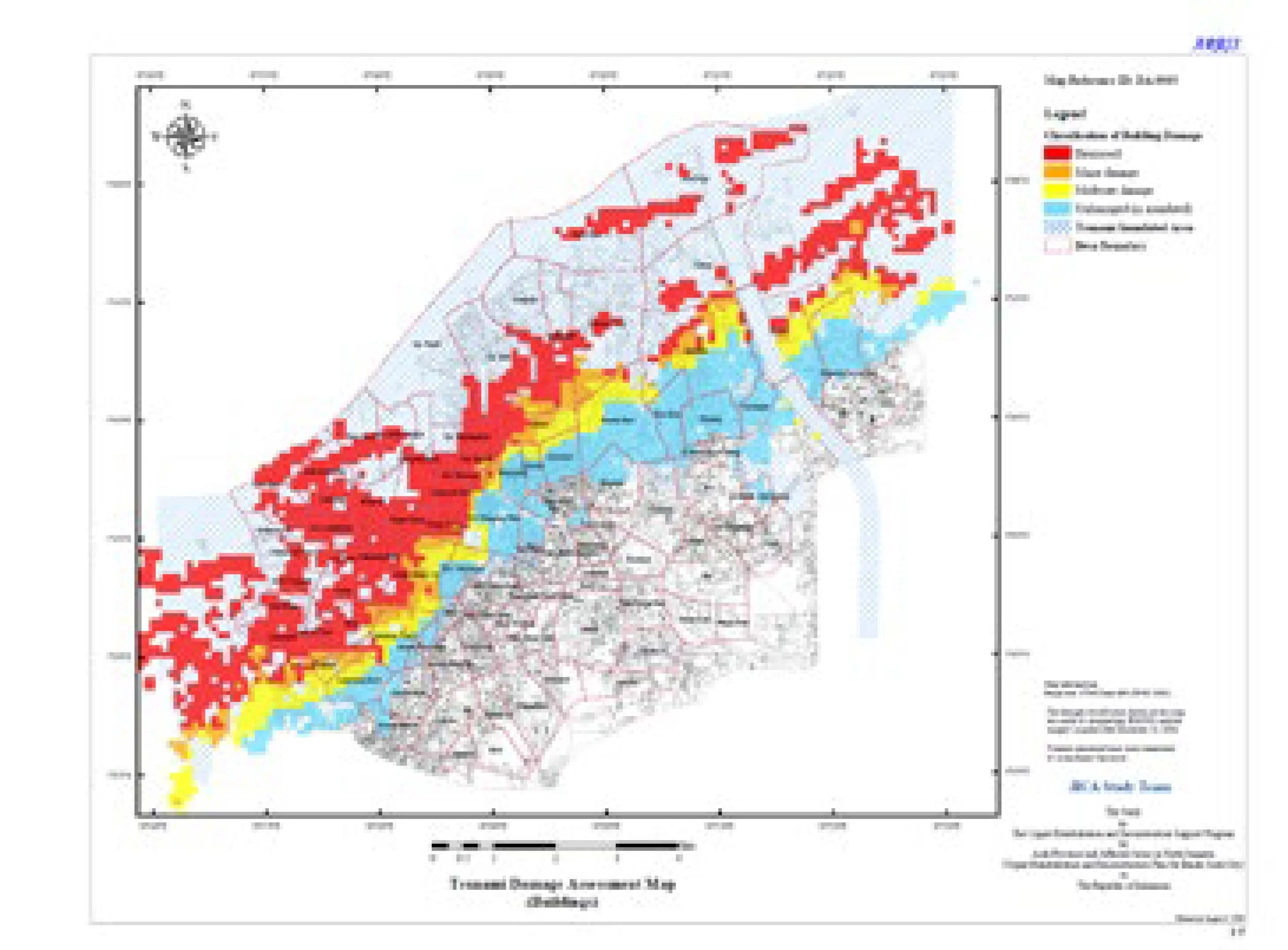
Fig. 1: Destruction Map of Banda Aceh

Fig. 2: Temporary Tents
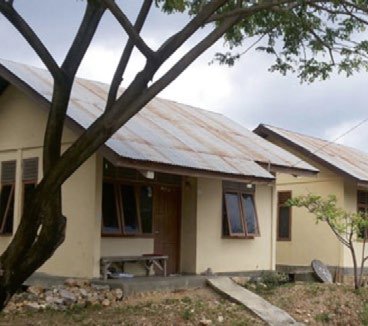
Fig. 3: Reconstructed Village
The Investigation
Planners and policy makers talk about “building back better”, but long into the process at Aceh this phrase remained more a slogan than a practice (Fitrianto, 2011). Build back better represents a philosophy of collaborative effort to “improve the physical, social and economic conditions of a community during post disaster reconstruction and recovery” (Mannakkara and Wilkinson, 2013). It focuses on building more resilient communities, capable of withstanding new emergencies; aiming to building up the regional capacity – the skills, instincts, and resources available to communities to help temper future instability (GFDRR, World Bank, EU, UNDP, 2015). It was formally introduced in July of 2005 by US President Bill Clinton in an address to the United Nations, in response to the 2004 Tsunami (Clinton, 2006).
The recovery after the Great Kanto earthquake of 1923 was seen as not only an opportunity to rebuild Tokyo, but to also trigger social reform; “Build Back Better is the latest iteration of a longstanding concern to link immediate relief with longer-term processes of recovery and development” (Fan, 2013). Developed countries such as the United States already have a robust network for the mitigation of natural disasters, which they face regularly. This dissertation focuses on the context of developing nations, as “lower socio-economic status makes people more vulnerable to extreme events and less able to move away from them” (McCaughey et al., 2018), prolonging the suffering and recovery phase (Ophiyandri et al., 2010). Planning policy will have a far stronger impact on the effectiveness of the overall recovery than any individual intervention, therefore it is important to make well informed decisions regarding which method of reconstruction is selected. Developing optimal policy will strengthen resilience in the face of future disasters caused by climate change, the major driver of increased intensity and frequency of natural disasters, which recent trends reported by Rodriguez et al. (2009) show that the number of reported natural disasters has increased from 172 (1989) to 354 (2008) (fig. 4), and can be expected to keep increasing into the future.
The Indian Ocean Tsunami of 2004 became the largest sudden loss of urban life in modern history (Vale and Shamsuddin, 2014), making it’s deep impact important to examine. With the media spurring global sympathy for the affected peoples, the event was followed by what many refer to as the ‘second tsunami’ – the sudden influx of donor money and NGO’s to facilitate the reconstruction effort. Nearly $12 Billion was directed towards the recovery in Indonesia, with the government establishing a new agency, the BRR, to coordinate the effort of more than 300 international NGO’s (ref). The quantity of money was so high that “the process of recovery quickly became complicated, competitive, and suspect” (Fitrianto, 2011). There was no shortage of money, which reduces the possibility that project failure was attributed to any fiscal deficits that were not incurred due to fraud or mismanagement. Additionally, the population of Aceh Province is widely representative of people in other LEDC nations also under pressure from climate change; having similar economic, educational, and developmental conditions as other countries in the region (Jones, 2022). For these reasons, Aceh Province, Indonesia, was chosen as the subject of this investigation.
This paper consists of an examination of a series of case studies from Aceh Province that represent both approaches, followed by an evaluation of the key factors (community, village planning, house design, material procurement and construction, and the handover process) and how they are addressed by each method. The limitations of both processes are explored, seeking to make a conclusion regarding the viability of setting owner driven reconstruction as the new standard.

Fig. 4: Natural Disaster Occurance Chart
2 | Case Studies
Case Study 1: Asoi Nanggroe (also Asoe Nanggroe)
Funded by: Misereor (Germany).
Built by: Local Villagers under supervision from Uplink.
Techniques used: Community-based; Participatory Reconstruction, Land Consolidation, Village Spatial Planning, Low Socio-economic Prioritisation.
This village represents best practices and heavy involvement of the NGO. Asoi Nanggro is one of 26 villages in Uplink’s (Urban Poor Linkage) network, a Indonesian grassroots/community-based NGO that focuses on urban poverty and impoverishment issues (HIC, 2008). Asoi Nanggro is separated from the coast by 1km of mangroves and deltas, situated West of Banda Aceh city centre. Case study demonstrates the prioritization of the poor, as the site of this, and surrounding, villages, was the previous base camp of GAM (the free Aceh separatist movement). For the effectiveness of their solutions, Uplink earned the Dubai International Award for Good Practices in response to the tsunami (HIC, 2008).

Fig. 5: Asoi Nanggroe June 2004.
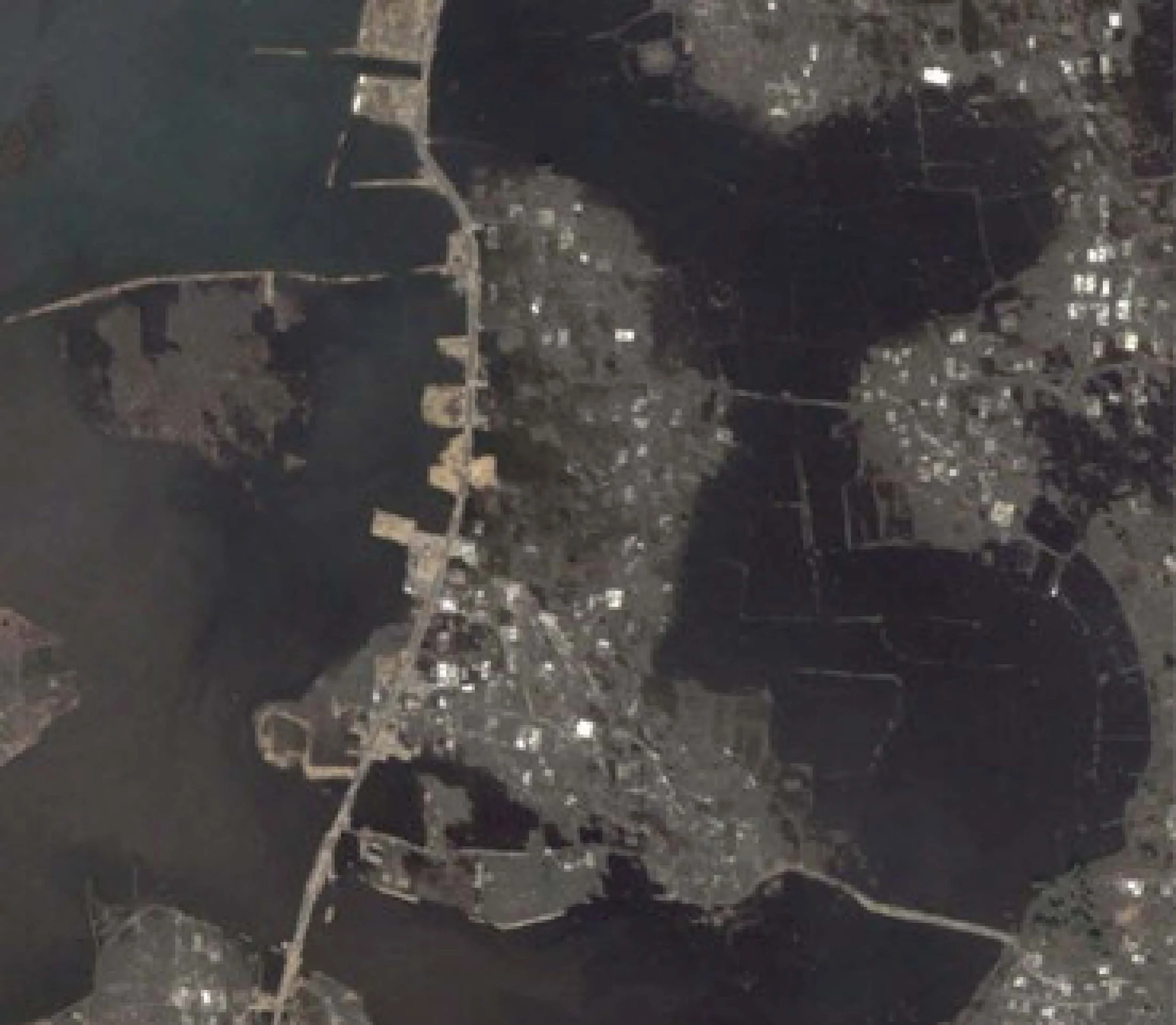
Fig. 6: Asoi Nanggroe January 2005

Fig. 7: Asoi Nanggroe June 2009.
Case Study 2: Kampung Lambung
Funded by: Multi Donor Fund (MDF).
Built by: Local Villagers.
Techniques used: Community-based; Participatory Reconstruction, Land Consolidation.
Represents good practices with medium involvement from NGO. Lambung is often referred to as a model village by government officials due to it’s adherence to the BRR guidelines. The survivors rebuilt their village with the assistance of two Community Recovery programs run by the MDF, the Community-based Settlement Rehabilitation and Reconstruction Program (CSRRP) and the Kecamatan Development Program (KDP), which financed an owner-driven process that enabled the villagers to design their houses and community (Koshimura, 2015).

Fig. 8: Lambung June 2004.


Fig. 9: Lambung January 2005.
Fig. 10: Lambung June 2009.
Case Study 3: Kampung Persahabatan Indonesia – Tiongkok (The Friendship Village of Indonesia and China); Colloquially ‘Jackie Chan Village’ or ‘Jackie Chan Hill’
Funded by: China Charity Federation, Red Cross Society of China.
Built by: 中国电建 (Power China), 中国水电 (Sinohydro China).
Techniques used: Contractor-based; Contractor Construction, New Build.
Represents relocation. The Friendship Village of Indonesia and China, known by the residents as “Jackie Chan Village” or “Jackie Chan Hill” after the film star (Jackie Chan) made “ a donation and paid a brief visit” (Vale and Shamsuddin, 2014). The compound consisted of 606 residential units of type 42 Chinese houses, along with a school, mosque, and open market. It is located near the coast, east of Banda Aceh. Built on a green field site on a hillside 300m above sea level and 1.5km inland, and paid for with a grant from the donors worth USD 8,000,000 (Government of Indonesia, 2009).

Fig. 11: Site of Kampung Persahabatan Indonesia – Tiongkok June 2004.

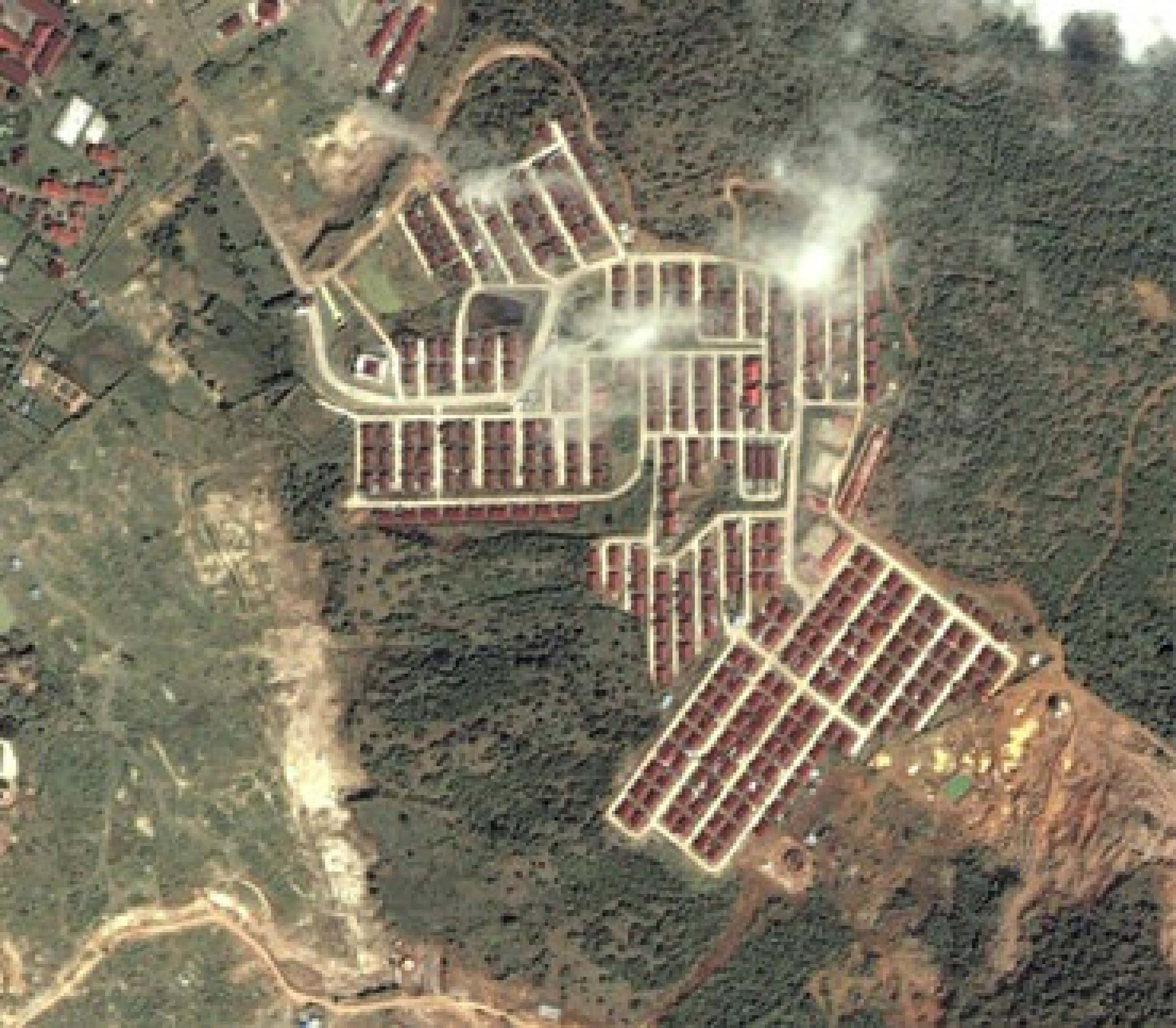
Fig. 12: Site of Kampung Persahabatan Indonesia – Tiongkok May 2005.
Fig. 13: Site of Kampung Persahabatan Indonesia – Tiongkok February 2009.
Case Study 4: Alue Deah Tengoh
Funded and built by: Oxfam, Yayasan Berkati Indonesia (YBI), Caritas, BRR.
Built by: Unnamed Local Contractors.
Techniques used: Contractor-based; Contractor Construction, No Land Consolidation.
Represents a typical response. The village is located adjacent to Lambung, near the shore of the Indian Ocean. A notable addition to the village during the reconstruction was a tsunami escape building, donated by the Japanese. It is a heavily reinforced concrete structure of several levels, housing a community centre, prayer space, and performance space. However, recent report indicate that it is now in disrepair

Fig. 14: Alue Deah Tengoh June 2004.

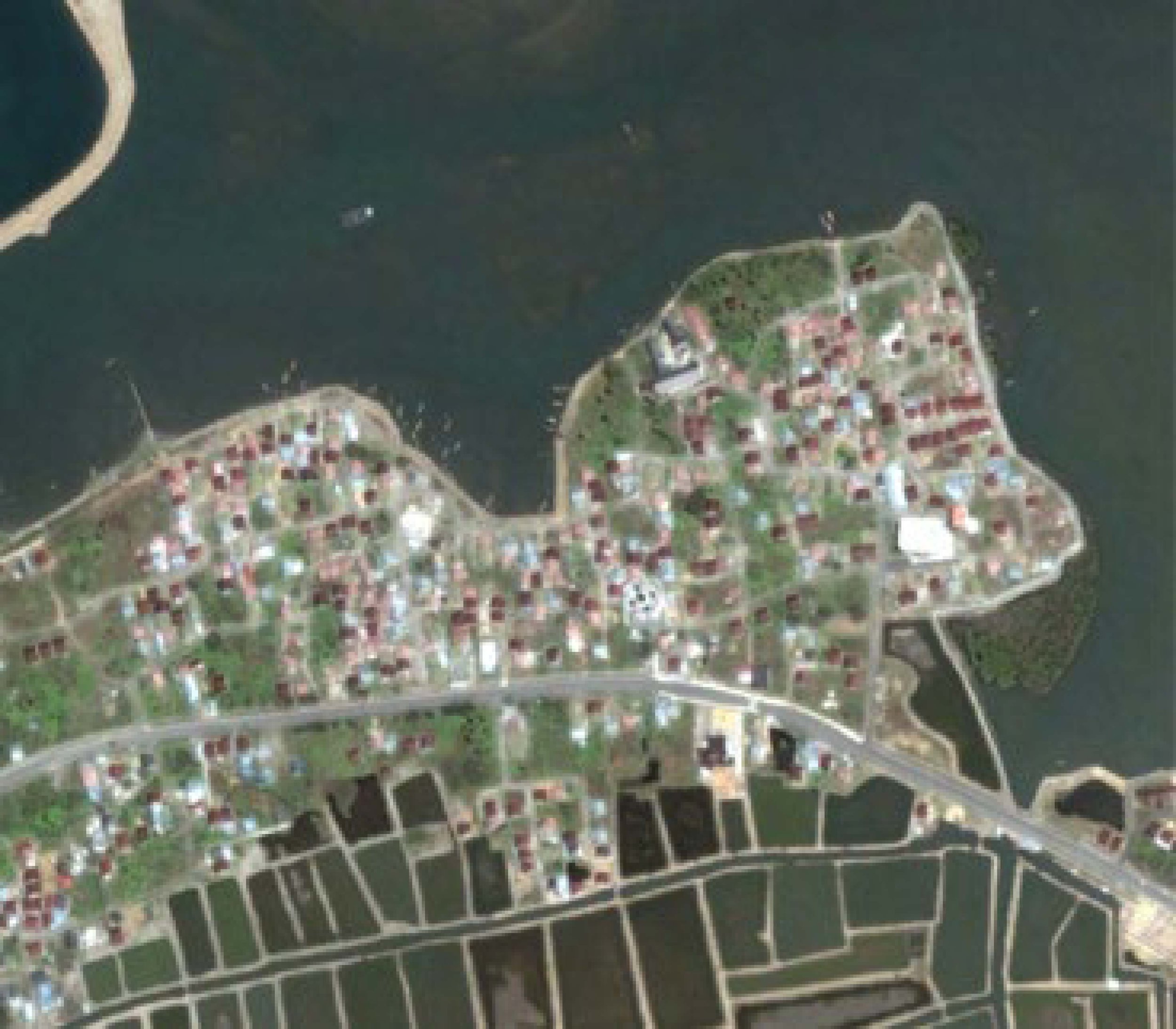
Fig. 15: Alue Deah Tengoh January 2005.
Fig. 16: Alue Deah Tengoh June 2009.
3 | Discussion
Village Planning
Relocation or settlement in-place?
In February 2005, the Indonesian Government began planning a mass relocation inland, fearing future coastal disasters; it proposed the construction of a new, modern city to the south of Banda Aceh (fig.17). To that end, the government banned all construction within a mile and a half (2.4km) of the coastline, effectively resulting in a ‘statutory eviction’ that would seize the coastline for government ownership (Fitrianto, 2011). The plan was unpopular, and dismissed after 2 months of debate. The government then called for aid beneficiaries to be offered a choice to rebuild in-place, or relocate farther from the coast; however, facing pressure to show quick, tangible reconstruction results, and struggles in acquiring land for new settlements, aid providers rebuilt predominantly within the tsunami-affected area (McCaughey et al., 2018).
Uplink [1] campaigned in Jakarta (the Indonesian capital) against the relocation, presenting an alternative plan which ‘underscored the wisdom’ of allowing beneficiaries to rebuild in-place. While the building ban was in effect, Uplink provided food and temporary shelter (fig. 18) in Asoi Nanggroe [1] (and other villages), and encouraged villagers to return, stay, and clear the debris in preparation for construction, keeping the area active and preventing unjust land claims by neighbours and the government (Fitrianto, 2011). Uplink was proud and insistent on rebuilding in-place, believing it to be the best method of reconstruction – not offering relocation alternatives to beneficiaries. The villagers of Lambung [2] shared the same sentiment and community spirit, needing no encouragement to return to the village and assist each other; looking for missing persons, guarding temporary shelters and hospitals with relatives. The mayor, Mr. Zaidi, used the opportunity to repatriate his citizens, only some of whom chose to relocate inland (Laut Sehat, 2022). The view of settling in-place demonstrated by Uplink [1] and the MDF [2] is supported by others in the field: “the humanitarian sector has come to favour rebuilding in-place in order to avoid the social disruptions of mass relocation” (McCaughey et al., 2018). Rebuilding in areas with lower exposure to hazards reduces vulnerability specific to those hazards, but mass relocation causes negative impact on community cohesion, land rights, and livelihoods (Cernea, 1997). It has long been believed that when balancing the consequences, relocation is not worth it, and the people’s ultimate goal is to reconstitute their pre-disaster lives as best they can (Fitrianto, 2011).

Fig. 17: Relocation Plan of the Indonesian Government

Fig. 18: Asoi Nanggroe Temporary Village Hall
However, a recent paper directly contests this view. Using a representative, unprompted survey (n=575) of Banda Aceh residents in 2014-2015 (10 years after the disaster), McCaughey et al (2018) studied the long-term outcomes of humanitarian policy to predominantly rebuild in-place. They found that the tsunami generated new local knowledge of the existing coastal hazard in Banda Aceh, and that “offering reconstruction aid predominantly within a hazard-exposed area can inadvertently transfer disaster risk to the poor” (McCaughey et al., 2018). The aims and question wording are the importance of this paper, it is the only paper to examine whether beneficiaries are satisfied with the location, not just the house. The survey indicated that only 40% of aid beneficiaries now said that they preferred to settle in-place, while 17% of beneficiaries said that had they been given the chance they would have relocated outside the tsunami-affected zone. The remaining 43% of homes were occupied by post-tsunami new-comers, 85% of whom were renters. Of those that relocated, many specified (unprompted) that the tsunami hazard was a key consideration (McCaughey et al., 2018). It is not far-fetched to assume that these statistics are representative of many other beneficiaries in Aceh, including those residing in the case study villages; perhaps villagers that were directed to settle in-place may have chosen to relocate inland, if given the choice. However, perhaps the strong village bond nurtured by the community-driven NGO’s operating in Asoi Nanggroe [1] and Lambung [2] has had an impact on their preferences, causing a sizably larger proportion of villagers to desire to remain in-place, satisfied by the outcome of the community-driven program.
The study also demonstrated the economic consequences of predominantly rebuilding in-place, namely the increase in poverty rates (fig. 19) within the hazard zone (McCaughey et al., 2018). “We find that before the tsunami (2003), poverty rates were slightly lower in what would become the tsunami-affected area than in the inland areas. Following the reconstruction (2011 and 2014), however, the pattern had reversed: the poverty rate was much higher in the tsunami-affected area than in the central or inland areas” (McCaughey et al., 2018). The proportion of beneficiaries with collage or vocational degrees (fig. 20) was higher amongst those that relocated inland, with employment in the civil service being particularly relevant, as the stability of income enabled access to property loans. This demonstrates that low socio-economic status constrains those who wish to move, as reconstruction predominantly inside the hazard zone pushes property prices up inland (McCaughey et al., 2018), forcing those of lesser means to move into the hazard zone to afford a home (fig. 21).
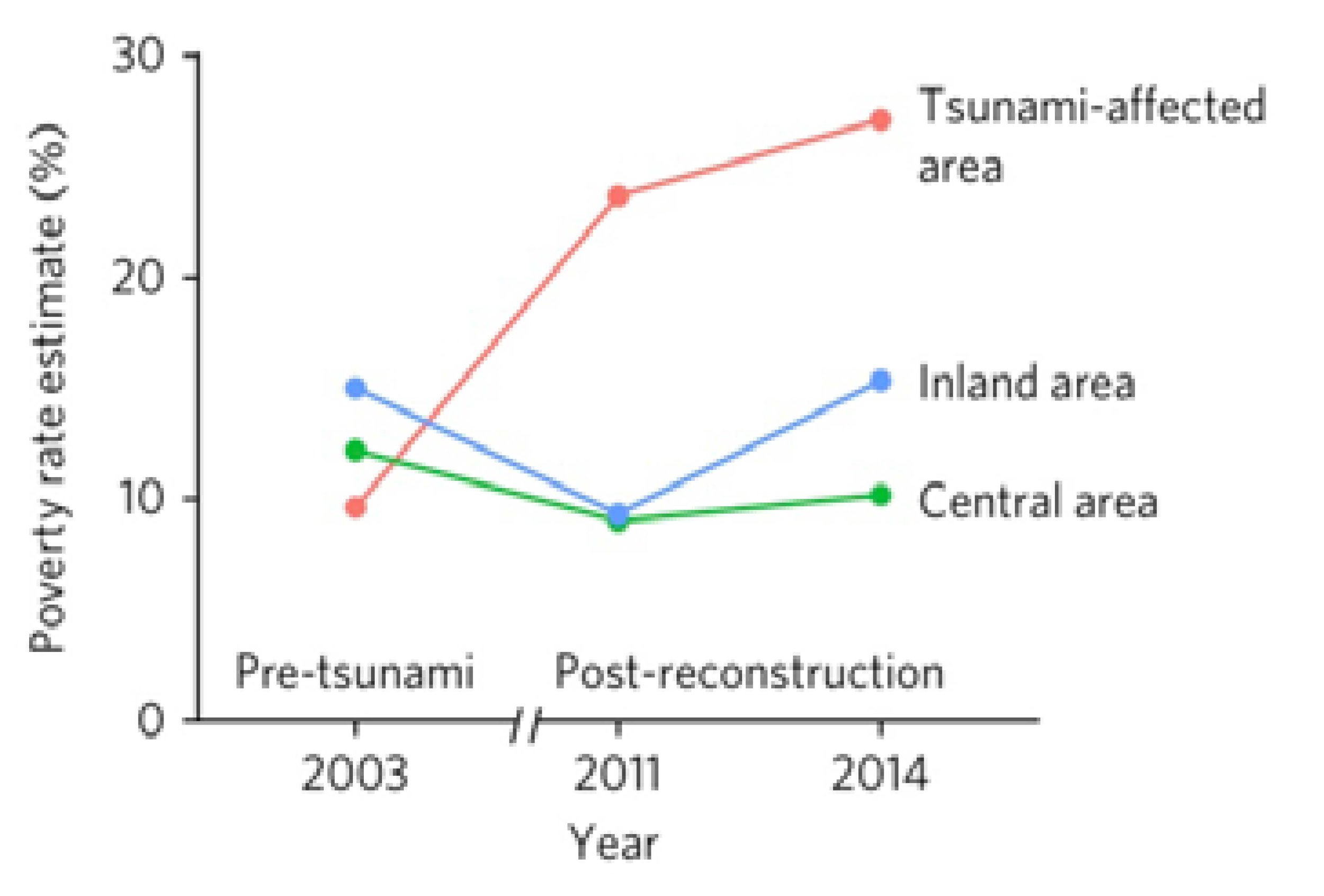
Fig. 19: Poverty Chart

Fig. 20: Education Level Chart

Fig. 21: House Price Chart
The ‘Friendship Village of Indonesia and China’ [3] is an example of reconstruction investment in a safe, inland area – also challenging the position of in-place rebuilding (fig. 22). It was built with the consideration of tsunami safety as a priority, constructed on a hillside to prevent damage from waves. The aid beneficiaries of this village did not get a choice whether to be relocated here, as they were landless IDPs (Internally Displaced Persons), mainly renters who lost their houses to the tsunami (Vale and Shamsuddin, 2014), and were allocated homes in the village. Despite the high desire of beneficiaries to relocate to safer areas (McCaughey et al., 2018), the village now has an occupancy of just 50%, as well as a non-functional market (Vale and Shamsuddin, 2014) – hardly a story of success.
However, the failure of the Friendship Village [3] has been cited by many residents to be it’s distance from Banda Aceh and the coastline, the main employment locations of its beneficiaries, coupled with its poor transit links which cause strain on their commute (Vale and Shamsuddin, 2014) – demonstrating a failure to account for the peoples daily needs. It is Interesting that the community-driven approach facilitated the beneficiaries in negotiation and collective decision making, but did not provide the explicit opportunity to relocate – a measure that would slowly shift the population in the path of decreased tsunami vulnerability, gradually improving the region’s resilience (McCaughey et al., 2018) in line with the principles of ‘Build Back Better’. An explanation for this could be that community-driven practice naturally focuses on cohesion and unity of the village.

Fig. 22: View of the Friendship Village
Village Master-planning
The devastation caused by the tsunami was sever, with all the case study villages needing to be rebuilt from the ground up. It was a key opportunity to develop new spatial arrangements, correcting any underlying issues of the previous masterplan that were too difficult to tackle before the destruction. Some of these issues were already known to local officials, such as poor circulation and road plans. In an interview with Healthy Sea Indonesia, the mayor of Lambung village, Zaidi M Adan, explained how he attempted to improve the circulation before the tsunami, fearing congestion should an evacuation take place. He made requests that each household donate a half-meter strip of their land to widen the streets, but his requests were repeatedly denied by the residents (Laut Sehat, 2022).
The tsunami destroyed many personally and governmentally held land titles, resulting in delays as beneficiaries required proof of land ownership to gain access to reconstruction funds (Fitrianto, 2011) and “typically received housing aid only to rebuild on their original plots” (McCaughey et al., 2018). Uplink [1] and the MDF [2] helped survivors with filing applications for new land deeds (Fitrianto, 2011; Koshimura, 2015) and facilitated a bottom up approach of conducting equitable and transparent community surveys to form a database and base map for stacking land claims. Community-driven projects [1,2] employed the strategy of ‘Land Consolidation’, which consisted of a readjustment of land parcels and their ownership, implemented to form larger, rationalized land holdings (Koshimura et al., 2015); and was combined with a sustainable type of Village Spatial Planning. In Asoi Nanggroe [1] the spatial plans improved access to roads and escape routes, as well as created unobstructed views toward the sea and hillside (fig. 23). Tree planting, eco-farming, and green energy were implemented, with the disposition of the village needing to be modified: cul-de-sac were removed but the road networks maintaining a sense of place, were preserved. Houses were placed according to their pre-tsunami positions, but owners were able to decide their positions, while accounting for easements and offsets (Fitrianto, 2011). These changes made a profound impact on the sustainability, attractiveness, and safety of the village; the spatial plan of Lambung [2] matched many of these improvements, creating a better street and house layout, developed its road network and implemented a new drainage system (Koshimura et al., 2015) – causing the land value to increase much more than neighbouring Alue Deah Tengoh’s [4] (Koshimura et al., 2015). Most importantly, these changes were put in place with the consultation of the villagers (fig. 24) in order to make sure that all were informed, satisfied, and of benefit.
The plan of the Friendship village [3] shows that contractor-driven development can also perform well. The village has a rational, grid-based road layout with wide asphalt streets to improve circulation, lined with regimented standard type 42 houses (Vale and Shamsuddin, 2014). The land used for the Friendship Village [3] was donated in exceptional circumstance by local farmers (Vale and Shamsuddin, 2014), meaning that the distribution of parcel ownership was not an issue. Its density is higher than that of the community-driven villages, and has been praised in the media as a “garden-style residential area” (Power China). Unfortunately, the farmers that donated land for the village’s construction have lost a key source of livelihood, having not considered (or been fully consulted on) the repercussions of their donation (Vale and Shamsuddin, 2014), revealing a failure of the contractor-driven method in making sure that all parties are left with the best outcome – knowing this, it would have been advisable to decline the farmers donation in the first place.
Conversely, in the contractor-driven approach of Alue Deah Tengoh, the village masterplans were created by the planning agency (Bappenas) before the BRR guidelines were issued, having had no beneficiary participation as the consultants never visited the sites (Yoseph-Paulus, 2017). The resulting masterplan where land consolidation was not completed kept its narrow, meandering streets and poor accessibility, with the community now facing challenges in the maintenance and upgrade of utility services (Koshimura et al., 2015). The residents of Alue Deah Tengoh did however join Oxfam’s forestation scheme, with volunteers choosing to plant 100’000 new mangrove seeds in the village (Oxfam, 2005) as a natural damper of large waves.

Fig. 23: Uplink Spatial Plan Diagram

Fig. 24: Planner recreating physical village masterplan
Number of Dwellings
The number of survivors in need of housing reconstruction aid was continuously fluctuating due to relocation, marriage, cohabitation, and death; making the estimation of the number of housing units required to be built a challenge. What was the purpose for rebuilding a house? Is it done to restore the immobile capital, or to secure tenure of shelter for survivors (Dercon and Kusumawijaya, 2007)?
Community-driven schemes such as Lambung [2] focused on the survivors, rebuilding houses for families that still occupied the village; while the contractor-driven Alue Deah Tengoh [4] focuses on rebuilding capital. You can see in the table that the number of houses built in Lambung [2] (community) is much lower than that of Alue Deah Tengoh [4] (contractor), which added almost a house per survivor. This statistic is directly tied to the growth of population in the villages after the reconstruction period. Alue Deah Tengoh [4] nearly tripled in size, while Lambung [2] only gained an additional half of its post-tsunami population – not only limiting the population growth, but also the economic. This view is also supported by Lizarralde and Massyn (2008), who concluded that a community-based approach results in low density and limited opportunities for economic growth in reconstruction projects in South Africa. Considering this, contractor-driven projects tend to deliver high-density developments, the importance of which is high for future growth of the village.
Summary
In summary, a general policy to rebuild in-place is not always consistent with survivor’s preferences, and can lead to socio-economic segregation (McCaughey et al., 2018). The construction of more inland properties will lower rental and purchase prices in the safer areas, encouraging people to move inland and reduce the regional vulnerability to the disaster. It is beneficial to provide the opportunity for beneficiaries to relocate instead of mandating them to stay in place; perhaps with the implementation of land swaps, or the systematic redirection of reconstruction funds toward land purchases in safer locations. Neither approach is better, as the issue is the lack of government relocation policy, although the contractor-driven method is demonstratable more able to relocate beneficiaries. The community-driven approach does outperform the contractor in Land Consolidation and Village Spatial Planning. It is imperative that this aspect is retained, and possibly improved upon, in order to reduce time frames and achieve better reconstruction results. However, an area where the community-driven approach lacks in comparison to its counterpart is in its low urban density, which can lead to fragmented communities, low population and economic growth. It is vital that communities are reconstructed with enough additional houses to facilitate the integration of new residents to speed up the village’s population recovery. Perhaps a phased system could be used, in which villagers construct their own homes, with the more efficient portion of the labourers being kept on payroll to construct additional dwellings for future sale or rental by the village itself or the NGO.
Community Engagement
Participation
Davidson et al. (2007) proposed that the definition of ‘community-based’ constitutes a practice in which the community participation is at the level of collaboration [2] or empowerment [1] (fig. 25). In a community-based project, the community is not only consulted on their requirements and expectations, but they are also owners, planners, supervisors, and contractors to the project (Ophiyandri, Amaratunga, Keraminiyage, 2016). It is, however, not a requirement that beneficiaries fill all of these roles. Participation is at the core of the community based approach, taking the form of informing, consulting, and collaborating with the beneficiaries regarding all aspects of the project. In Lambung [2] the beneficiaries were empowered to work hard in collectively planning and conducting the construction works themselves; everyone was involved at every step of the process, attributing the success to their effective collaboration (MDF, 2011). The village leaders were crucial in the delivery of a successful project: “conducting regular meeting with the community, inviting facilitators to explain the rearrangement of village, engaged with individuals who refused to accept the changes, and met intensively with the stakeholders related to the activities of land consolidation.” (Koshimura et al., 2015).
Uplink [1] used village meetings, popular media, apparel, and print media to communicate their plans and activities with the villagers. “Community groups often view aid agencies with a good deal of suspicion” (Fitrianto, 2011). To overcome this and establish a closer relationship with the beneficiaries, Uplink [1] moved their planning desks into the field at the village’s meunasah (fig. 26) (traditional community centre), which became the centre for aid intake and distribution, as well as a headquarters for planning and meeting. It forged common ground with the villagers, unlike the offices of other NGOs located in the centre Banda Aceh city (Fitrianto, 2011). Uplink [1] and the MDF [2] understood that to build trust with the villagers required their voices to be heard, and that control over the project must be delegated to the beneficiaries to allow them to take ownership and become empowered. On March 7th, 2005, Uplink [1] assisted in the creation of the ‘Jaringan Udeep Beusaree’ organisation (JUB), a ‘network for living together’, which expanded to include all twenty-six of Uplink [1] assisted villages, including Asoi Nanggroe [1] (Fitrianto, 2011). “JUB administrators were elected locally, and weekly meetings served as a forum where problems and solutions were shared and collective decisions taken” (Fitrianto, 2011). Uplink [1] also found value in Aceh’s traditional institutions, such as fisherman’s and savings groups, forming productive relationships with them (Fitrianto, 2011), which demonstrated their trustworthiness to the beneficiaries.
A detail unique to Aceh’s reconstruction is the recent conclusion of a civil war between the GAM (the Aceh Independence Movement) and the Indonesian government in June, 2005. The area which Uplink [1] was aiding served as the base camp for the GAM, and although the insurgents were gone, “it became a sort of ground zero for those left out by the formal aid program” (Fitrianto, 2011). Community-based practice are known for targeting disadvantaged and marginalised groups like these, also targeting the inclusion and fair treatment of women in terms of collaboration, land rights, and economic recovery programs (Fitrianto, 2011; Oxfam, 2005). Fully understanding what was truly happening on the ground, the complete extent of the disaster’s consequences and reconstruction requirements, was only possible from a bottom-up approach of the community-based practice (Dercon and Kusumawijaya, 2007). The top-down approach of contractor-based planning was not able to understand the full scope of the devastation, or exactly what the people needed to recover and resume their lives effectively.
The contractor-driven approach views the situation differently. Instead of recognising the importance and ability of the survivors, contractor-driven NGO’s often “systematically excluded” beneficiaries from the reconstruction effort, their community knowledge and physical capability ignored (Fitrianto, 2011). Subsequent cash-for-work initiatives adopted by some agencies like Oxfam [4], which paid people in cash for clearing tsunami debris, were poorly implemented and became corrupt and fraudulent – with no monitoring system, the people did not need to do any work to still collect payment (Fitrianto, 2011), so little was accomplished. Beneficiaries of contractor-driven schemes expressed dissatisfaction with the lack of inclusion, with the residents of the Friendship Village [3] saying that they were unhappy about their “limited influence on decisions about planning, design, and construction” (Vale and Shamsuddin, 2014). In Alue Deah Tengoh [4] the members of the community were not consulted by the donor agencies regarding planning or house design, and could only ‘monitor’ the construction on a voluntary basis as long as they stayed in the village, those that didn’t could not monitor at all (Koshimura et al., 2015).
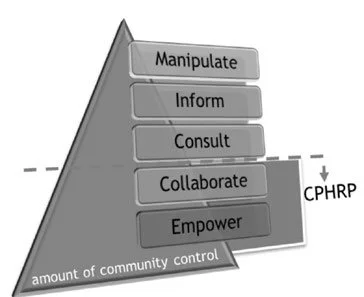
Fig. 25: Levels of Participation adapted from Davidson et al., 2007

Fig. 26: Rebuilt Community Centre in Asoi Nanggroe
Village Composition
“The entire experience was new to the participants, who had barely known one another prior to the tsunami” wrote Andrea Fitrianto, but the project in Asoi Nanggroe [1] was still highly successful (Fitrianto, 2011). By documented admission, the closeness of the community pre-disaster has little effect on the success of the collective participation, therefore, the relocation and mixing of community groups will not be a detriment to the cohesion and capability of the village. The Friendship Village [3] hosts quite a diverse population, including Chinese, Acehnese, mixed Acehnese-Javanese, and other ethnicities – functioning well despite a seeming ‘lack’ of social cohesion – showing that large, heterogenous groups are able to succeed in forming stable communities. Village Chief Wahid describes it as a “peaceful little community”, stating that the Friendship Village functions well due to it having no dominant village of origin, so villages don’t compete over neighbourhood control (Vale and Shamsuddin, 2014).
The difference in the composition of neighbouring Lambung [2] and Alue Deah Tengoh [4] reveals an issue where community cohesion can become detrimentally intense. The population of Lambung [2] is composed 90% of tsunami survivors, with the remaining percentage being family members that moved in, mainly due to marriage; while in Alue Deah Tengoh [4] the surviving natives live within a mixture of new comers (Koshimura et al., 2015). From the population growth data, it is interpreted that the intensity of the cohesion in Lambung [2] massively slowed the population growth (and in turn the economic growth), with Alue Deah Tengoh [4] growing approximately five times more in raw numbers over the same period.
Education and Handover
In order to facilitate the participatory construction process, especially for projects in which the beneficiaries fill the role of construction labour, the aid organisation needs to inform and educate the beneficiaries regarding construction management and techniques. This kind of direct investment into capacity and knowledge of the beneficiaries sets them up for a better future. “Housing in Indonesia had traditionally been the responsibility of the community until, after the tsunami, the government and private sector took over the role of building homes” (Fitrianto, 2011). Understanding this, it becomes clear that the skills the beneficiaries acquire are essential and versatile; and can be later sold for profit, or utilised for the extension of their homes. It is also beneficial that the money is directed into the community when spent on compensating the villagers for their construction efforts, providing them with a temporary source of livelihood and confidence (Fitrianto, 2011).
Contractors are seen as more efficient and capable than the beneficiaries, however, by not teaching the beneficiaries construction techniques and building for them, an opportunity is missed to better the local knowledge and resilience in line with the ideal of ‘build back better’. In this regard, it is clear that the participatory approach is superior. In Asoi Nanggroe [1], Uplink first constructed a pilot house to be used as a classroom, and provided training sessions for builders to ensure a good minimum standard. Uplink’s engineers lived in the communities, were responsible for two or three villages, and supervised construction with the architects. They trained beneficiaries to independently assess the quantity and quality of building materials, and act as construction monitors and inspectors (Fitrianto, 2011). Crucially, a high level of education was not essential to grasp the contents of the teaching materials. The manuals illustrated the concepts simply (fig. 27, fig. 28), while not missing any essential details, even rebar techniques were explained in a fashion understandable to the villagers.
The results of this thorough education can be observed in Andrea Fitrianto’s return to the region in 2014, where photographs reveal that the villagers have made individualised renovations to the open ground floors of their dwellings (Fitrianto, 2014). Additions include enclosed residential, commercial, and storage spaces (fig. 29, fig. 30, fig. 31). This smooth transition is due to the community-based approach’s gradual handover, in which the villagers are set up to care for themselves from the outset, having gained all skills and leadership positions necessary to ensure running of the village.
In contrast, the contractor-based approach has tended to show little support to it’s beneficiaries besides the provision of dwellings, the village market planned for the Friendship Village [3] having yet to operate, and the escape tower at Alue Deah Tengoh is now in poor condition. In addition, a report (Christoplos, 2006) indicates that recovery efforts were largely focused on reviving the livelihoods of men with the provision of boats, tools, and nets, but ignoring the needs of the women’s population for handicraft production related items; as well as the incorrect provision of boats and tools, with some villages receiving too many, and others non at all due to poor communication and assessment resulting from the contractor-driven top-down approach.
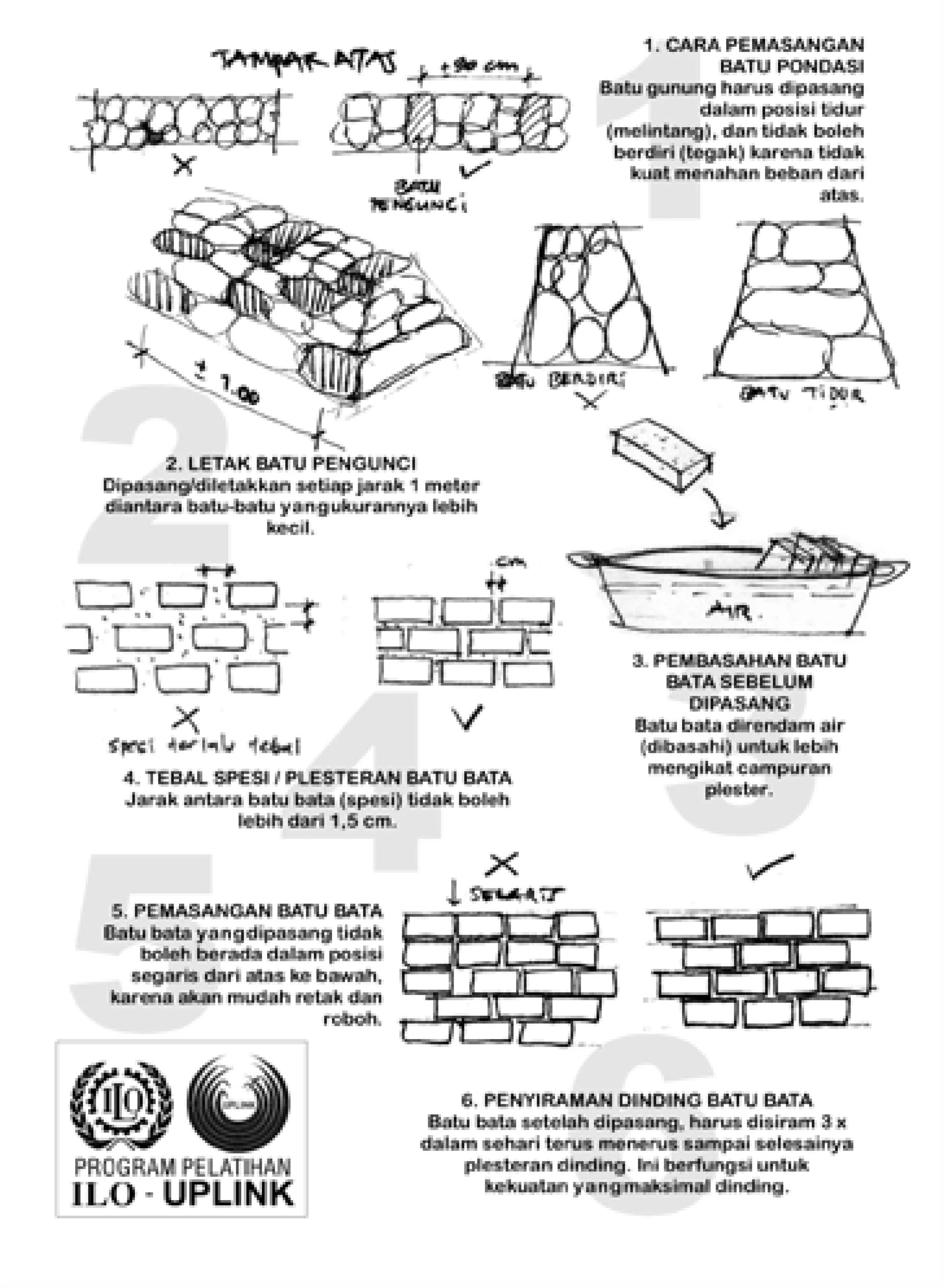
Fig. 27: Uplink Construction Manual
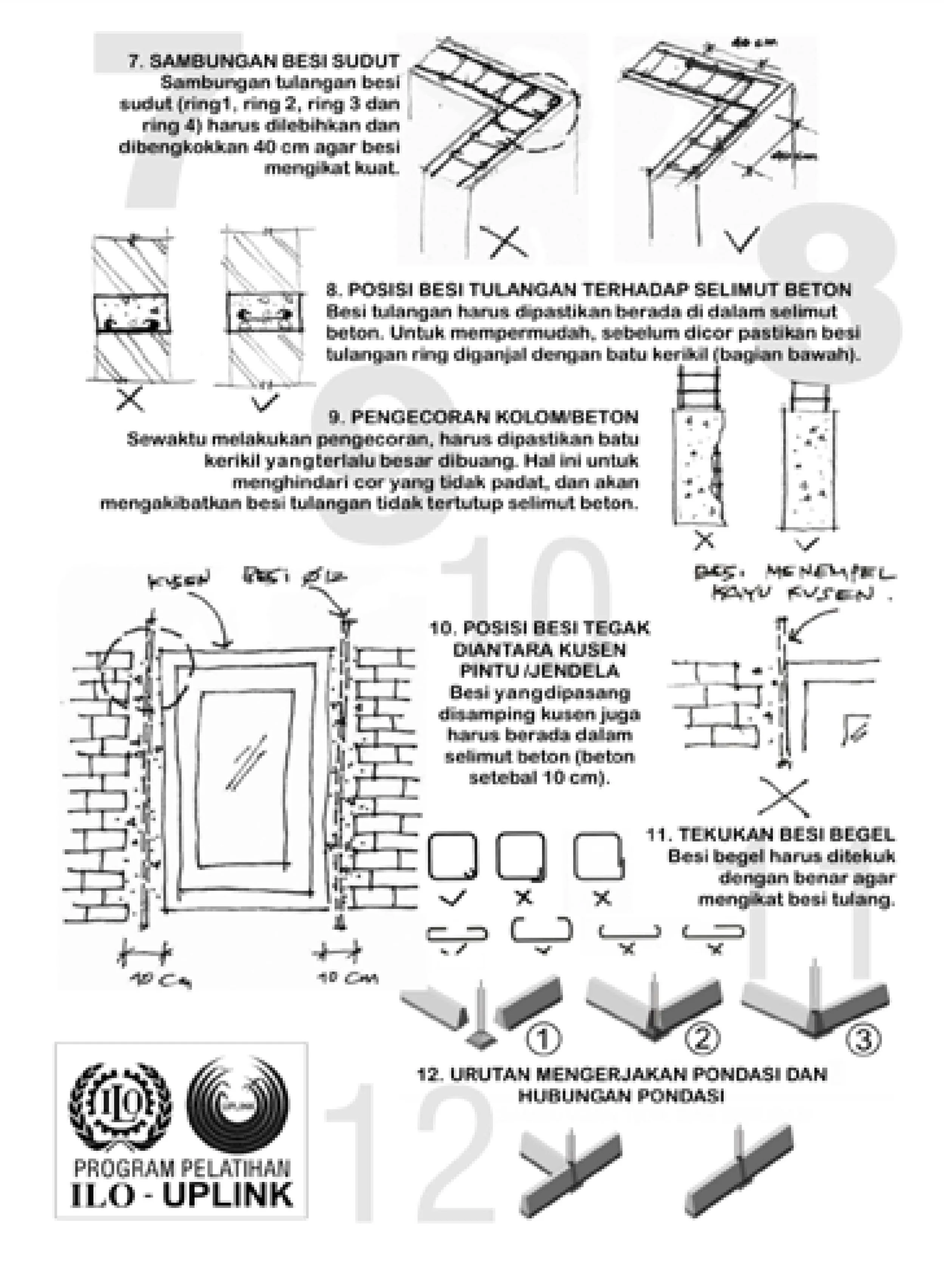
Fig. 28: Uplink Construction Manual
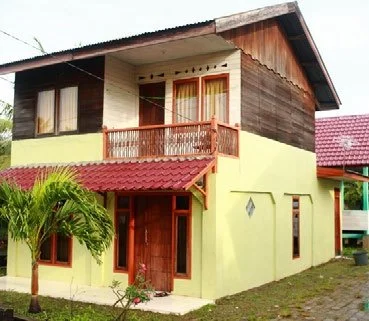
Fig. 29: Uplink Modified House - Living

Fig. 30: Uplink Modified House - Storage

Fig. 31: Uplink Modified House - Commercial
Summary
Community-driven projects definitely have the advantage regarding community engagement, mostly due to the fact that they make a strong and consistent effort to create bonds with the beneficiaries. Participatory methods are effective, and well received by beneficiaries, who are engaged and united by the common cause of reconstructing their village. The variety of strategies employed by the NGO’s ensures a smooth transition away from the aid program, setting the village up for a successful future. However, extreme cohesion of the community can have unintended negative consequences on the decreased growth of the population in future. On the other hand, beneficiaries from contractor-driven developments express their dissatisfaction about a lack of involvement in the design and construction process, the prevailing sentiment being that their needs are not adequately met.
Construction Management
Capacity of Agency and Beneficiaries
For all the demonstrated benefits of the community-based approach, the implementation of such reconstruction projects is not without it’s issues (Davidson et al., 2007; Ophiyandri, Amaratunga, Keraminiyage, 2016). Currently, community-based reconstruction is encouraged by many institutions, including the Indonesian Government; but there is little knowledge regarding its implementation at project level, stemming from the fact that there is a lack of understanding in the field about the principles of the community-based approach (Davidson et al., 2007). A point of concern is the capacity of the stakeholders involved in the project, particularly the facilitators. During the reconstruction of Aceh, the issue emerged that there was an insufficient number of requisitely trained professionals to facilitate the participatory process (Ophiyandri, 2016; Dercon and Kusumawijaya, 2007). NGO’s were forced to hire professionals of other related disciplines who were not properly equipped to handle the task (Ophiyandri, Amaratunga, Keraminiyage, 2016). This is not to say that all agencies were limited by the staffing shortage, on the contrary, it is evident that Uplink [1] and the MDF [2] were able to successfully implement the community-driven approach. However, it is important not to discredit this concern, as some agencies may not be as fortunate to possess the capacity to support such a project, and may have to turn to the contractor approach in order to fulfil their recovery objective.
Another consideration is that the other stakeholders of the participatory project, the beneficiaries, may also not have the capacity, ability, or will to adequately contribute. As document by interviews in Aceh conducted by Ophiyandri et al. (2016), there are issues in recruiting appropriate labour for the project. “Community knowledge about construction is very limited … they are not highly educated. It’s hard to control the labour … labourers who have high levels of skill are very limited, the ones who understand the basics of earthquake resistant houses are very low in number” (Ophiyandri, Amaratunga, Keraminiyage, 2016). It is vital to view these issues realistically, as not every community is perfect, and opting for the wrong level of participation can spell failure for the project. If the capacity of the beneficiaries to too low, a contractor-based approach will need to be adopted, at least for the building phase as villagers can still be consulted regarding design and planning.
Design
There was a general desire amongst the locals in wanting modern dwellings delivered by the NGOs, they were adamantly opposed to the traditional Acehnese stilt house (fig. 32) (Fitrianto, 2011). Unfortunately so, as the Acehnese vernacular style is well adapted to its regional conditions, developed through centuries of trial and error (O’Brian, 2008; Fitrianto, 2011). The traditional house is built on timber stilts, for flooding protection, ventilation, and storage; and has a thatched gabled roof (O’Brian, 2008). The materials are readily available in the surrounding environment, but were not employed by any NGO to a significant degree due to the concern that the large scale of construction in the region will put a strain on its natural resources, especially the forests, causing an ecological disaster (Fitrianto, 2011).
The masonry materiality was selected out of necessity, but Uplink [1] was the only NGO (fig. 33) to try and replicate the functionality of the local vernacular (fig. 34), albeit using a different construction, due to their inherent advantage of being a domestic agency which understood the culture and traditions. Francis Kere, a participatory-driven architect and inspiration to Andrea Fitrianto (Uplink), gave his own perspective on this issue: “Somebody just came and gave the people a new [concrete] mosque. It’s good, I like presents. But this kind of present is bad, because it is destroying traditional knowledge” (Kere, 2011). The traditional way of building evolved as the capacity of the people did, but with the new need for earthquake resistant houses it is important for the new knowledge to account for the local capacities once again. To give the people the tools they need to safeguard the future themselves without constant support. The key aspect being its simple construction process. Uplink especially designed its houses to use bricks made from locally dug clay, which is stabilised, compacted, and dried by the villagers on-site (Fitrianto, 2011).
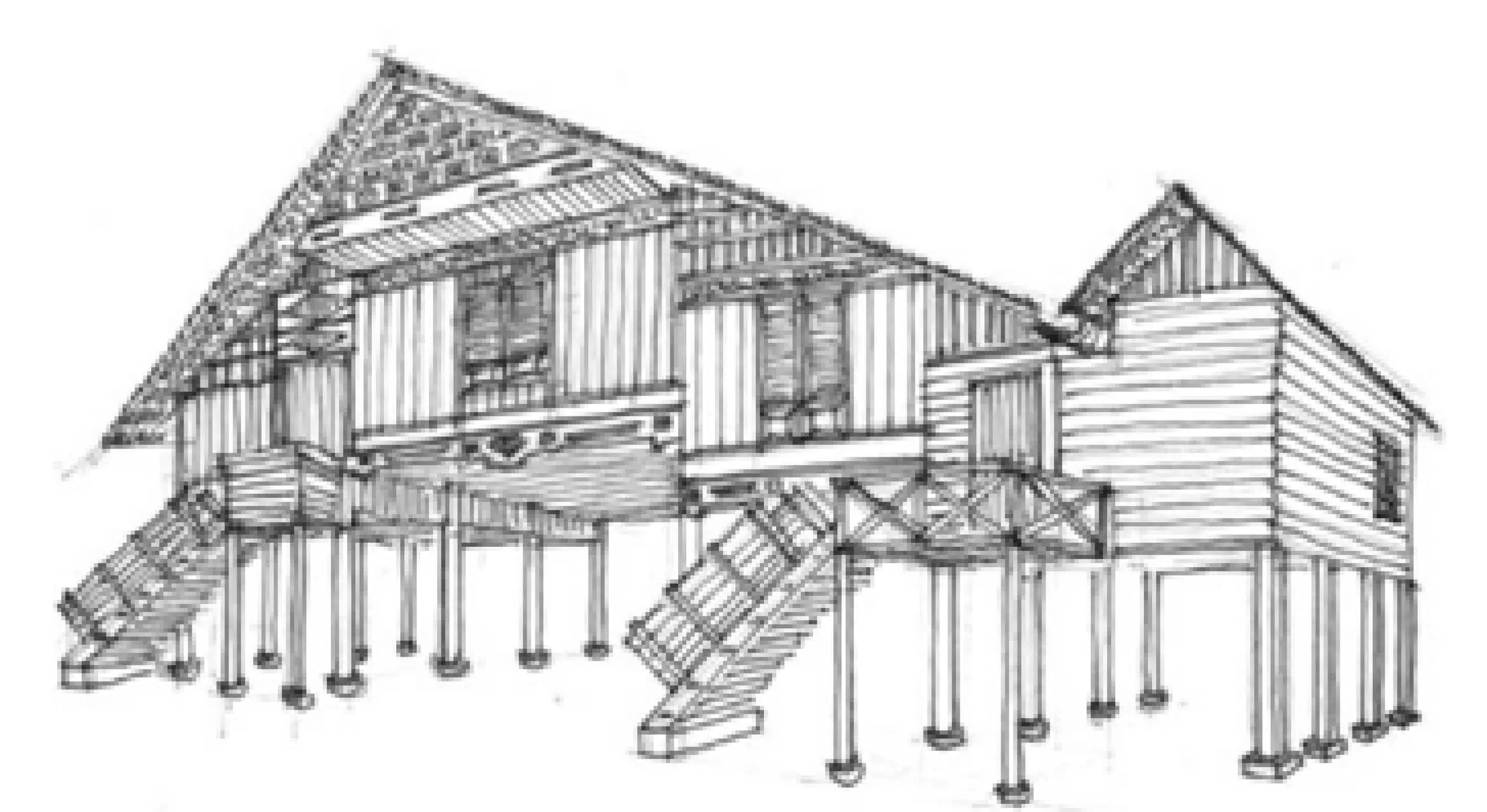
Fig. 32: Traditional Acehnese House

Fig. 33: Caritas House

Fig. 34: Uplink House
The masonry materiality was selected out of necessity, but Uplink [1] was the only NGO (fig. 33) to try and replicate the functionality of the local vernacular (fig. 34), albeit using a different construction, due to their inherent advantage of being a domestic agency which understood the culture and traditions. Francis Kere, a participatory-driven architect and inspiration to Andrea Fitrianto (Uplink), gave his own perspective on this issue: “Somebody just came and gave the people a new [concrete] mosque. It’s good, I like presents. But this kind of present is bad, because it is destroying traditional knowledge” (Kere, 2011). The traditional way of building evolved as the capacity of the people did, but with the new need for earthquake resistant houses it is important for the new knowledge to account for the local capacities once again. To give the people the tools they need to safeguard the future themselves without constant support. The key aspect being its simple construction process. Uplink especially designed its houses to use bricks made from locally dug clay, which is stabilised, compacted, and dried by the villagers on-site (Fitrianto, 2011).
An issue voiced by some professionals is that architect loses the ability to make decisions in the participatory approach (fig. 35). An assumption is made that the beneficiaries cannot make a wrong choice for themselves regarding the house’s design, even if the trained architect knows that the choice is poor (Ophiyandri, Amaratunga, Keraminiyage, 2016). Andrea Fitrianto expressed that the beneficiaries of Uplinks [1] houses were reluctant to accept the stilt design, describing it as a “hard sell” that the villagers were later convinced by after much deliberation and promotion (Fitrianto, 2011). This meant that time was unnecessarily wasted, causing delays to construction. Nevertheless, beneficiary satisfaction remained highest with homes in the community based scheme.
Survey respondents of the opposing approach provide a contested view regarding it’s success. The villagers of the Friendship Village [3] reported valuing their post-tsunami homes as highly as their pre-tsunami ones (Vale and Shamsuddin, 2014). Conversely, villagers from Alue Deah Tengoh [4] reported lower satisfaction rates in comparison to neighbouring Lambung [2]. Lambung resident reported a satisfaction rate of 83%, while Alue Deah Tengoh reported rates between 75% and 63% for permanent housing; not a single beneficiary of semi-permanent housing was satisfied (Koshimura et al., 2015). Villagers of Alue Deah Tengoh [4] also reported feelings of jealousy between recipients of semi-permanent and permanent housing, stemming from the non-uniformity of housing as “a single donor was not able to assume the construction of the entire village” (Koshimura et al., 2015). The beneficiaries of Oxfam’s semi-permanent houses (completed in 2005) became disillusioned, and preferred the houses of their neighbours provided by other donors, i.e. BRR and Caritas. After much discussion Oxfam had to accept “costly defeats” (Dercon and Kusumawijaya, 2007) and upgrade the homes into permanent ones.

Fig. 35: Uplink Design Consultation with beneficiaries.
Construction and Accountability
Construction of the homes is the final step of the process, and one of the main differences between the two approaches. The benefits of the community-based system: education, empowerment, and collaboration – were discussed prior, however the system does have issues originating from its mechanism. The lead time before construction is its biggest weakness, even though this time investment returns an end result of a higher quality and satisfaction to the beneficiaries. A study (Ophiyandri, Amaratunga, Keraminiyage, 2016) analysing the effectiveness of community-based reconstruction in Aceh identified three key bottlenecks of the pre construction process. The time taken to consult the beneficiaries and design the village is long. In Lambung [2] the spatial plan took almost 2 years to complete, not including the building design that followed; meanwhile, neighbouring Alue Deah Tengoh [4] was already finishing construction. This was due to the back and forth process between the designers and the villagers (Koshimura et al., 2015), which significantly pushing back the completion date of Lambung [2]. The time taken to organize the people is also long. The paper quoted that in Aceh it takes approximately 5 months to organise the community for construction to begin (Ophiyandri, Amaratunga, Keraminiyage, 2016). Setting up organisational structures, assessing capabilities, and assigning roles is important for the success of the project, as wrong choices may lead to failure. Before the construction can start, however, the villagers must also be trained to carry out the work, with the time requirement being extensive. The number of individual unit undergoing simultaneous construction does increase as the villagers improve their efficiency (Fitrianto, 2011), with the process speeding up over time as the capabilities grow and owners gain valuable skills and knowledge useful in future. It is the inherent nature of community-based projects that the pre-construction stage takes so long, but achieves a better end result because of the time invested in consultation and training. It is important to get these steps right because “Most failures in the community-based approach are caused by the delay in its start up, leaving little time for the participatory process” (Dercon and Kusumawijaya, 2007), the fruits of the process only appear towards the end so its important not to get disillusioned by the slower progress, which did occur in Lambung [2] (Koshimura et al., 2015).
The contractor-driven approach is able to avoid many of these bottlenecks due its inherent nature of efficiency and exclusion. The lead times pre-construction can be very short, especially if the NGO already has a house design ready to go, in which case it does not need to consult the beneficiaries and can begin construction right away (Ophiyandri, Amaratunga, Keraminiyage, 2016) compared to the community-based practice. This makes the contractor approach useful in situations where quick results are necessary, such as the deployment of temporary housing. While it is true that the contractor-driven approach was able to rebuild houses at a faster rate in Alue Deah Tengoh [4], in the long term it resulted in social inequality and dissatisfaction with the design compared to Lambung [2] (Koshimura et al., 2015). The time invested by the community-driven NGOs in consultation is rewarded with a better result, important in cases of permanent housing as their lifecycle is longer.
Survey respondents (Ophiyandri, Amaratunga, Keraminiyage, 2016) also perceived that community-based reconstruction can have higher accountability and can reduce corruption. This is due to the approach’s inherent requirement for transparent policy in order to be successful. Transparency is required from the government, the facilitating NGO, and from the community (Ophiyandri, Amaratunga, Keraminiyage, 2016; Dercon and Kusumawijaya, 2007); it allows for greater communication between all parties, enabling the full collaborative process to take place. It is the community’s responsibility to build their own homes, meaning that they will do so to the best of their ability and not cheat the requirements because the negative consequences will fall only on themselves. This is corroborated by Uplink’s [1] experience in Asoi Nanggroe [1] where it established a policy of openness from the outset (Fitrianto, 2011). It learned from the JUB network that ‘building back better’ is fundamentally about building better relationships. The fact that they empowered the community to take a leadership and implementer role meant that the ownership and end result became the partial responsibility of the community, ensuring their continuous hard effort. On the other hand, contractor-based developments are viewed as less accountable: “we avoided contractors, who often use subcontractors, which adds expense to the process” (Fitrianto, 2011), as well as give them the ability to shift blame to the subcontractors. Contractors have no interest in the success of the project or the people moving in, whilst the self-building beneficiaries do.
Summary
The successful implementation of community-based projects can be highly dependant on the capacity of the agency to conduct such an exercise due to a shortage of professionals, and the capacity of the beneficiaries to perform the construction due to their ability to grasp construction skills. The community-driven approach also suffers from a long pre-construction process, which can lead to project failure if not executed correctly, but returns a better result due to allowing participation and investing into the people’s skills. On the other hand the process rates higher in accountability due to the requirement of highly transparent policy for its success. Uplink [1] has a better design that is closer to the Acehnese vernacular, using differing materials chosen out of environmental concern, that better suits the region and activities of the people. Houses designed under owner receive higher satisfaction ratings from beneficiary surveys due to the collaborative design process, which some professionals find challenging as the villagers can reject sensible design choices in favour of misguided preferences, and the architect loses veto power as the assumption is that the villagers cannot make a wrong decision regarding their homes.
On the other hand, contractor-driven projects can start construction right away if they have a house design ready, but the houses satisfaction ratings are contested – some score highly, while others are low due to the wide variability within the same village as multiple donors are contributing competing designs. The process has lower accountability as contractors are an external organisation with no interest in the success of the project beyond their monetary compensation, and can shift blame onto sub-contractors.
5 | Conclusion
In many aspects, the community-based method is superior to the contractor-based. The main advantage, and key difference between the two, is the community-based approach’s collaboration with, investment in, and empowerment of, the beneficiaries. By allowing the beneficiaries to take part in the process, to voice their opinions and concerns, to take charge and lead, and to reconstruct the village themselves (assisted technically by the NGO) – the community grows stronger, more skilful, and more resilient to future disasters. This is reflected by the approach’s higher satisfaction rates, better quality buildings, and more coherent spatial planning. It is this paper’s recommendation that the community-based approach should become the standard response in recovery and reconstruction efforts - it should be considered before other approaches.
However, it is important not to dismiss the contractor-based method outright; there are situations for aid agencies to implement such an approach during the reconstruction process in cases where the alternative will be detrimental to the success of the project. The community-based method has some gaps in its effectiveness, held back by limitations stemming from its core processes, or shortages of capacity. Contractors are the better choice in situations requiring: the provision of fast, temporary housing (such as in the first few months after the disaster when the survivors are still adversely affected by the aftermath); the provision of housing for IDP’s and large non-homogenous groups, who may not be able to build the community cohesion necessary to work together effectively; the provision of housing to newly formed communities who wish to relocate and may not be able to form the necessary social capital; the provision of housing to communities that lack the capacity necessary to conduct a participatory scheme; and for the time being, in the provision of houses in situations when there are not enough facilitators to conduct a participatory scheme.
Bibliography
Koshimura, S; Imamura, F; Sofyan, H; Agustina, S. (2015) Lessons Learned from Two Villages in the Tsunami Most Affected Area of Banda Aceh City; A Review of the Housing Reconstruction and the Current State of Village Development. Springer International Publishing.
Cernea, M. (1997) The risks and reconstruction model for resettling displaced populations. World Dev, 25, 1569 1 587.
Christoplos, I. (2006). Links between relief, rehabilitation and development in the tsunami response: A synthesis of initial findings. ODI, Tsunami Evaluation Coalition.
Clinton, WJ. (2006) Lessons learned from Tsunami recovery: Key propositions for building back better. Office of the UN Secretary-General’s Special Envoy for Tsunami Recovery.
Davidson, CH; Johnson, C; Lizarralde, G; Dikmen, N; Sliwinski, A. (2007) Truths and myths about community participation in post-disaster housing projects. Habitat International.
Dercon, B; Kysumawujaya, M. (2007) Aceh and Nias: What should the Planners have learned? 43rd ISOCARP Congress.
Fan, L. (2013) Disaster as opportunity? Building back better in Aceh, Myanmar and Haiti. London: Humanitarian Policy Group.
Fitrianto, A. (2011). Learning from Aceh, in Aquilino, Marie Jeannine (ed), Beyond Shelter: Architecture and Human Dignity, New York: Metropolis Books, pp 26-39.
GFDRR; World Bank; EU; UNDP. (2015) Guide to developing disaster recovery frameworks: Sendai Conference Version. Integrated People-Driven Reconstruction in Post-Tsunami Aceh: Winner 2008 of Dubai International Award for Good Practices. (2008). [Online] Available at: https://www.hic-net.org/integrated-people-driven reconstruction-in-post-tsunami-aceh-winner-2008-of-dubai-international-award-for-good-practices/ [Accessed: 27/11/2022].
Jones, J. (2022) The Most Similar Countries to Indonesia. [Online] Available at: https://objectivelists. com/2022/05/25/which-countries-are-most-similar-to-indonesia/ [Accessed: 12/01/2022]
Kere, F. (2011). African architecture should stop copying the West. Design Indaba.
Laut Sehat. (2022) Bangkit (Rise Up) – Chapter 3: Cerita Pak Zaidi, Geuchik Lambung yang Berhasil Menata Desa dari Puing yang Tersisa. Available at: https://lautsehat.id/humaniora/literasivisual/bangkit-rise-up chapter-tiga-cerita-pak-zaidi-geuchik-lambung-yang-berhasil-menata-desa-dari-puing-yang-tersisa/ [Accessed: 25/12/2022]
Lizarralde, G; Massyn, M. (2008) Unexpected negative outcomes of community participation in low-cost housing projects in South Africa. Habitat International, 32, p. 1-14
Mannakkara, S; Wilkinson, S. (2013) Build Back Better: Lessons from Sri Lanka’s Recovery from the 2004 Indian Ocean Tsunami. International Journal of Architectural Research Archnet-IJAR.
McCaughey, JW; Daly, P; Mundir, I; Mahdi, S; Patt, A. (2018) Socio-economic consequences of post-disaster reconstruction in hazard-exposed areas. Nature Sustainability, VOL 1, 38-43.
Multi Donor Fund. (2011) Partnerships for Sustainability. MDF progress report December 2011. Jakarta: MDF. 85pp
O’Brian, D; Ahmed, I; Hes, D. (2008) Housing Reconstruction in Aceh: Relationships Between House Type and Environmental Sustainability. Montreal: Building Abroad.
Ophiyandri, T; Amaratunga, D; Keraminiyage, KP. (2016) Advantages and Limitations of Community Based Post-Disaster Housing Reconstruction Projects. International Journal of Disaster Resilience in the Built Environment.
Ophiyandri, T; Amaratunga, RDG; Pathirage, CP. (2010) Community based post disaster housing reconstruction: Indonesian perspective.
POWERCHINA in Indonesia. (N/A) Indonesia Sustainability Report. Jakarta: POWERCHINA.
Rebuilding in Indonesia, village by village. (2005). [Online] Available at: https://reliefweb.int/report/indonesia/ rebuilding-indonesia-village-village [Accessed: 27/12/2022].
Rodriguez, J; Vos, F; Below, R; and Guha-Sapir, D. (2009) Annual Disaster Statistical Review 2008: The numbers and Trends. The Centre for Research on the Epidemiology of Disasters.
Vale, LJ; Shamsuddin, S. (2014) Tsunami + 10: Housing Banda Aceh After Disaster. Place Journal. Available at: https://placesjournal.org/article/tsunami-housing-banda-aceh-after-disaster/?cn-reloaded=1 [Accessed: 15/09/2022].
Yoseph-Paulus, R; Maynard, V; Parker, E; Garcia, D. (2017). Urban Planning in Banda Aceh: Supporting Local Actors After the Tsunami. IIED: London.
Figure List
Figure 1 - Japan International Cooperation Agency (JICA). (2005) “Tsunami Damage Assessment Map (Buildings)”. [Map] Source: The Study on the Urgent Rehabilitation and Reconstruction Support Program for Aceh Province and Affected Areas in North Sumatra: FINAL REPORT (1), Accessed: 24/10/2022.
Figure 2 - Yonekawa, M. (2005) “UNHCR provided tents in the emergency phase of the tsunami relief operation in Aceh province, and is returning to provide further shelter assistance”. [Photograph] Online: UNHCR, Available at: https://www.unhcr.org/news/latest/2005/6/42c00d324/unhcr-returns-indonesias-aceh-province provide-shelter-assistance.html
Figure 3 - Koshimura et al.. (2015) “Permanent house built by MDF in the village of Lambung”. [Photograph] Switzerland: Lessons Learned from Two Villages in the Tsunami Most Affected Area of Banda Aceh City; A Review of the Housing Reconstruction and the Current State of Village Development.
Figure 4 - Rodriguez, J, “Natural Disaster Occurance Chart“. 2009. Chart. Source: Annual Disaster Statistical Review 2008: The numbers and Trends.
Figure 5 - Google Earth. (2022) “Asoi Nanggroe in June 2004”, [Photograph] Online: Google, Accessed: 24/10/2022.
Figure 6 - Google Earth. (2022) “Asoi Nanggroe in January 2005”, [Photograph] Online: Google, Accessed: 24/10/2022.
Figure 7 - Google Earth. (2022) “Asoi Nanggroe in June 2009”, [Photograph] Online: Google, Accessed: 24/10/2022.
Figure 8 - Google Earth. (2022) “Lambung in June 2004”, [Photograph]. Online: Google, Accessed: 24/10/2022.
Figure 9 - Google Earth. (2022)“Lambung in January 2005”, [Photograph] Online: Google, Accessed: 24/10/2022.
Figure 10 - Google Earth. (2022) “Lambung in June 2009”, [Photograph] Online: Google, Accessed: 24/10/2022.
Figure 11 - Google Earth. (2022) “The Site of the Friendship Village of Indonesia and China in June 2004”, [Photograph] Online: Google, Accessed: 24/10/2022.
Figure 12 - Google Earth. (2022) “The Site of the Friendship Village of Indonesia and China in January 2005”, [Photograph] Online: Google, Accessed: 24/10/2022.
Figure 13 - Google Earth. (2022) “The Site of the Friendship Village of Indonesia and China in June 2009”, [Photograph] Online: Google, Accessed: 24/10/2022.
Figure 14 - Google Earth. (2022) “Alue Deah Tengoh in June 2004”, [Photograph] Online: Google, Accessed: 24/10/2022.
Figure 15 - Google Earth. (2022) “Alue Deah Tengoh in January 2005”, [Photograph] Online: Google, Accessed: 24/10/2022.
Figure 16 - Google Earth. (2022) “Alue Deah Tengoh in June 2009”, [Photograph] Online: Google, Accessed: 24/10/2022.
Figure 17 - Fitrianto, A. (2011) “Relocation Map“. [Map] Source: Learning from Aceh, Beyond Shelter: Architecture and Human Dignity.
Figure 18 - Fitrianto, A. (2011) “Asoi Nanggroe Temporary Village Hall“. [Map] Source: Learning from Aceh, Beyond Shelter: Architecture and Human Dignity.
Figure 19 - McCaughey et al.. (2018) “Estimates of Poverty rates”. [Chart] Source: Socio-economic consequences of post-disaster reconstruction in hazard-exposed areas.
Figure 20 - McCaughey et al.. (2018) “Risk preferences and socio-economic status of those who moved and those who did not”. [Chart] Source: Socio-economic consequences of post-disaster reconstruction in hazard exposed areas.
Figure 21 - McCaughey et al.. (2018) “Property Prices”. [Chart] Source: Socio-economic consequences of post disaster reconstruction in hazard-exposed areas.
Figure 22 - Indrajeet Rajkhowa. (2019) “Residents overlook a cookie-cutter hilltop settlement in Aceh, Indonesia, built with aid money. Many of the houses sit empty as there is no running water”. [Photograph] Source: Hakai Magazine, Available at: https://hakaimagazine.com/features/the-empty-houses-that-foreign aid-built/
Figure 23 - Syukrizal, A; Hafidz, W; Sauter, G. (2009) “Village Spatial concept - Eco-Village”. [Diagram] Source: Reconstructing Life After the Tsunami: The work of Uplink Banda Aceh in Indonesia.
Figure 24 - Fitrianto, A. (2011) “Uplink Planner Planning“. [Map] New York: Learning from Aceh, Beyond Shelter: Architecture and Human Dignity.
Figure 25 - Ophiyandri, T; Amaratunga, D; Keraminiyage, KP. (2016) “Collaboration Triangle”. [Diagram] Manchester: Advantages and Limitations of Community0based post-disaster housing reconstruction projects.
Figure 26 - Fitrianto, A. (2011) “Asoi Nanggroe Rebuilt Community Centre“. [Map] New York: Learning from Aceh, Beyond Shelter: Architecture and Human Dignity.
Figure 27 - Uplink. (2005) “Construction Manual Page 1”. [Drawing] Indonesia: Program Pelatihan ILO - Uplink.
Figure 28 - Uplink. (2005) “Construction Manual Page 2”. [Drawing] Indonesia: Program Pelatihan ILO - Uplink.
Figure 29 - Fitrianto, A. (2014) “20141101_373”. [Photograph] Photographer: Fitrianto, A.
Figure 30 - Fitrianto, A. (2014) “20141031_348”. [Photograph] Photographer: Fitrianto, A.
Figure 31 - Fitrianto, A. (2014) “20141030_199”. [Photograph] Photographer: Fitrianto, A. Figure 32 - O’Brian, D. (2008) “Traditional Acehnese House”. [Drawing] Montreal: Building Abroad.
Figure 33 - O’Brian, D. (2008) “Reconstruction House built by Caritas”. [Drawing] Montreal: Building Abroad.
Figure 34 - Uplink. (2005) “Rumah Kues 07”. [Drawing] Aceh: Rekonstruksi Kampung Jaringan Udeep Beusaree.
Figure 35 - Fitrianto, A. (2011) “Uplink Design Consultation Meeting“. [Map] New York: Learning from Aceh, Beyond Shelter: Architecture and Human Dignity.